For decades, Machine Translation Post-Editing (MTPE) was often viewed as a niche or supplementary task within the translation industry—an “additional skill” for some, but not all, language professionals. However, the rise of advanced Neural Machine Translation (NMT) and the explosion of generative AI have fundamentally shifted this paradigm. Today, #MTPE is no longer an optional add-on; it has evolved into a core, indispensable competency that is central to a much broader transformation of the modern translator’s role.
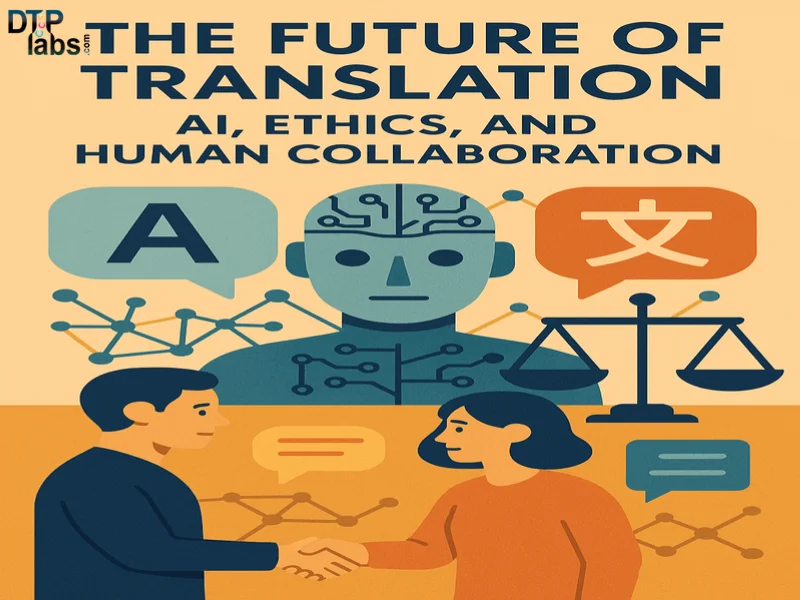
This shift is driven by the deep integration of AI at nearly every stage of the translation process. Long before the current generative AI boom, tools like machine translation engines, #CAT tools, and automated quality assurance were standard. Now, AI generates the first draft, automated QA systems detect inconsistencies, and text analysis tools highlight potential problems. This AI-driven workflow allows for unprecedented speed and scale, but it also redefines the human’s primary function. The job is less about the manual labor of original text creation and more about curation, validation, and elevation.
As a result, translator competencies are undergoing a dramatic shift. Post-editing skills have become increasingly vital, as translators now spend a significant portion of their time refining machine-generated text rather than translating from scratch. But this is only part of the story. Technical proficiency with a wide array of AI-driven tools is now a baseline expectation. Evaluation skills are more important than ever; translators must critically assess the quality of AI output, catching subtle “fluent-sounding” hallucinations or contextual errors. Most importantly, linguistic creativity remains a critical human differentiator. AI struggles with the subtle cultural context, humor, or specific stylistic choices that are crucial for effective communication, making the human translator the expert guardian of nuance and authenticity.
This new reality is also reflected in market demands. While many clients, accustomed to free AI tools, now exert significant price pressure or accept “good enough” content for low-stakes tasks, the demand for high-stakes, complex translation has grown. Projects in fields like law, pharmaceuticals, and defense, along with complex localization for SEO and cultural adaptation, require a level of expertise and certified accuracy that AI alone cannot deliver.

In conclusion, the line between “translator” and “post-editor” has effectively been erased, absorbed into a new, hybrid professional role. The future lies in models that combine AI efficiency with human expertise. As industry examples show, AI can handle the high-volume work, freeing up human linguists to focus on the culturally sensitive, high-value content that builds genuine connections. The narrative has firmly shifted from “AI as a replacement” to “AI as an assistant,” and the ability to manage, refine, and elevate that assistant’s work is now the new, essential baseline for a language professional.
Medhat Mustafa
Arabic Linguist
Medhat.Mustafa2000@gmail.com


Leave A Comment